Reimbursement for dental care received abroad: Many patients choose to seek dental care abroad for economic reasons while benefiting from high-quality treatments. However, the issue of reimbursement remains crucial when planning these treatments with peace of mind. Here’s what you need to know about the procedures and conditions for obtaining .
Dental care reimbursement abroad: A legal right for European patients
Steps to obtain dental care reimbursement abroad
1. Obtain a Quote Before the Treatment
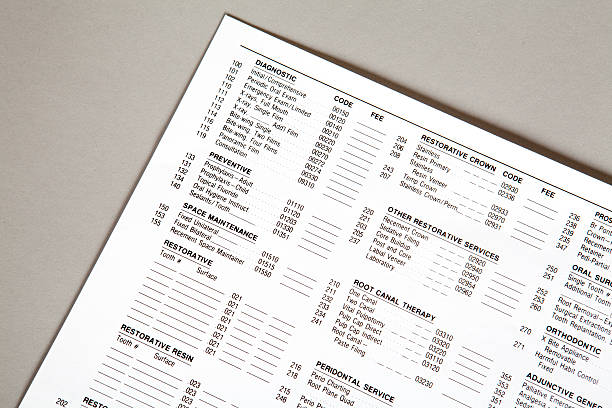
Before traveling, request a detailed quote from the foreign clinic and compare it with the rates in your home country. This document is essential for evaluating the potential reimbursement amount.
2. Request Prior Authorization (if necessary)
Certain complex dental treatments, such as dental implant placement or prosthetic treatments, may require prior authorization from your health insurance provider.
Provide a quote, a detailed treatment plan, and supporting documents outlining the medical need.
This step is crucial to avoid any denial of reimbursement.
3. Gather Documents After the Treatment
After receiving treatment, keep the following documents to complete your file:
Detailed invoices specifying the treatments performed and their costs.
Proof of payment (receipts, bank transfers).
Medical reports or radiographs, if requested.
What Are the Reimbursed Amounts?
Reimbursement is based on the rates applied in your country of residence.
Example for France:
A dental crown may be reimbursed up to €120, even though the actual cost abroad is often lower.
If a dental implant is not reimbursed in France, it will not be reimbursed abroad either, unless a complementary health insurance plan covers the procedure.
Complementary Health Insurance and Insurance Plans
Some health insurance providers offer specific policies for dental tourism, with higher reimbursement rates and partnerships with foreign clinics. Make sure to inquire about this before you leave.
The Benefits of Dental Tourism with Reimbursement
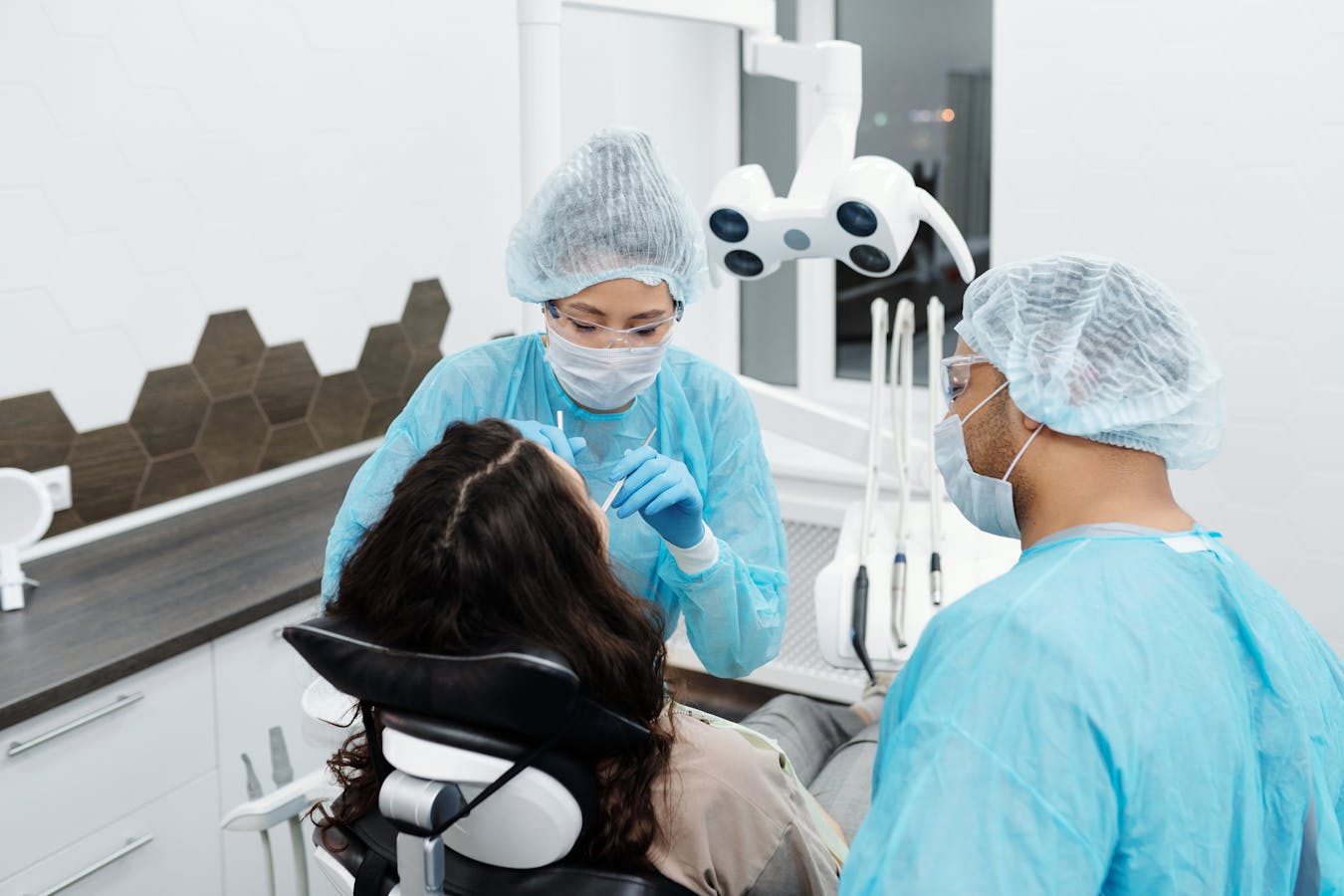
Significant Savings
Dental care in certain European countries is up to 50 to 70% cheaper than in France or Belgium, while still adhering to European standards.
Simplified Process Thanks to Partner Clinics
Many clinics specializing in dental tourism offer assistance with administrative procedures related to reimbursement. This includes document translation and support for submitting files.
Optimal Quality of Care
Practitioners in popular destinations (Romania, Hungary, Portugal) use modern equipment and are often trained in top European institutions.
Tips for Successfully Navigating the Reimbursement Process
Plan Ahead: Consult with your health insurance and complementary insurance providers to clarify reimbursement conditions.
Choose a Reputable Clinic: Check reviews and certifications of the practitioners.
Keep All Receipts: Incomplete files are the main reason for reimbursement denials.
Opt for Clinics with Administrative Support Services: This makes the process easier and reduces the risk of errors.
Reimbursement for dental care abroad is an opportunity to reduce costs while receiving high-quality treatments. By following the administrative procedures and selecting reliable clinics, patients can benefit from dental tourism without compromising their budget.