Why Safety Is the First Question About Dental Tourism in Portugal
Hearing that dental implants cost 60 to 70 percent less in Portugal than in the UK or USA sounds almost too good to be true. And for many prospective patients, that is exactly the reaction: excitement followed by doubt. Is dental tourism in Portugal safe? How can you verify that a clinic overseas meets the same standards you expect at home?
These are valid, necessary questions. Dental implant surgery involves drilling into your jawbone, placing titanium fixtures, and fitting custom prostheses — procedures that demand precision, hygiene and post-operative care. Cutting corners on safety can lead to infection, implant failure and expensive corrective treatments.
The good news: Portugal has built a genuine reputation for high-quality dental care. The country is home to ISO-certified clinics, internationally trained surgeons and European Union-regulated medical standards. But reputation alone is not enough. You need a concrete checklist to evaluate any clinic before you book. This article walks you through seven essential safety checks so you can decide whether dental tourism in Portugal safe applies to your specific situation. Each check is designed to be actionable: you can verify it yourself, from home, before spending a single euro on flights or accommodation. Whether you are from the United Kingdom, Canada, the United States or Ireland, these criteria apply universally.
The dental tourism industry is growing by approximately 15 percent per year in Europe, and Portugal has become one of the top three destinations alongside Hungary and Turkey. But volume alone does not guarantee quality. Understanding exactly how to evaluate a clinic separates informed patients from those who take unnecessary risks with their health and their money. Patients who verify these seven points before booking consistently report higher satisfaction, fewer complications and better long-term outcomes. Let us walk through each one in detail.
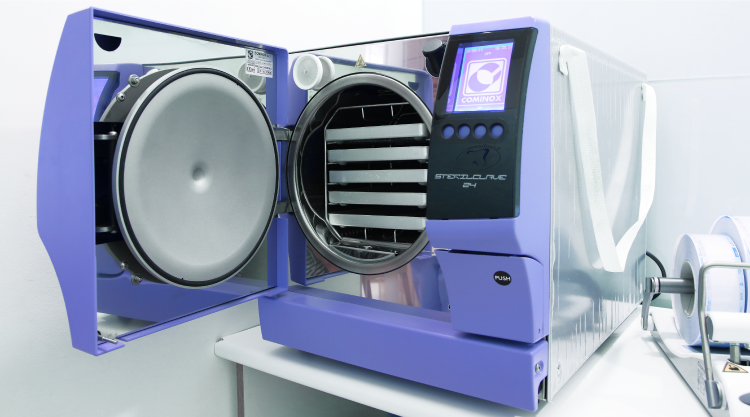
Safety Check 1: ISO Certification and Clinical Standards
The single most objective indicator of a clinic’s commitment to safety is its certification. An ISO-certified dental clinic has passed third-party audits covering sterilisation, patient record management, equipment calibration and emergency protocols.
What ISO certification actually means
ISO/TC 106 is the specific standard for dentistry. It ensures that the clinic follows documented procedures for every clinical process — from implant placement to infection control. Certification is not a one-time badge; it requires regular re-audits.
When researching whether dental tourism in Portugal safe is a reality for you, always ask for the clinic’s ISO certificate number and verify it. A legitimate clinic will display this information prominently. The Clínica Dentária Santa Catarina in Porto, for example, holds ISO/TC 106 certification and has done since its early years of operation.
European Union medical regulations
Portugal is an EU member state, which means its dental clinics operate under the same regulatory framework as clinics in France, Germany or Spain. Medical devices — including dental implants — must carry the CE marking, certifying compliance with European safety, health and environmental requirements. This is a baseline protection that countries outside the EU cannot guarantee.
The World Health Organization recognises oral health as essential to general health, a principle reinforced in its fact sheet on oral health. EU-regulated clinics like those in Portugal are aligned with this global standard.
Safety Check 2: Implant Brand Quality and Surgeon Credentials
Two factors determine the long-term success of your dental implants: the quality of the implant itself and the skill of the surgeon placing it. Both must be verified independently.
Implant brands: Swiss precision versus budget alternatives
When assessing whether dental tourism in Portugal safe includes quality materials, start with the implant brand. The dental implant market is dominated by a handful of premium manufacturers. Straumann (Switzerland), Nobel Biocare (Switzerland) and Osstem (South Korea) lead the field with decades of clinical evidence. Straumann implants, used at our Porto clinic, carry a lifetime warranty and a documented 97 percent success rate over ten years.
When asking if dental tourism in Portugal safe means safe for decades. Budget implants from unnamed manufacturers may cost 30 to 40 percent less, but they lack the long-term clinical data that premium brands provide. When asking if dental tourism in Portugal safe means safe for decades, the answer depends partly on which implant brand your chosen clinic uses.
Surgeon qualifications to verify
- University degree in dentistry from a recognised institution.
- Specialisation in implantology — look for postgraduate training or master’s-level qualifications.
- International teaching experience — surgeons who lecture internationally are typically at the top of their field.
- Years of experience — specifically in implant placement, not general dentistry.
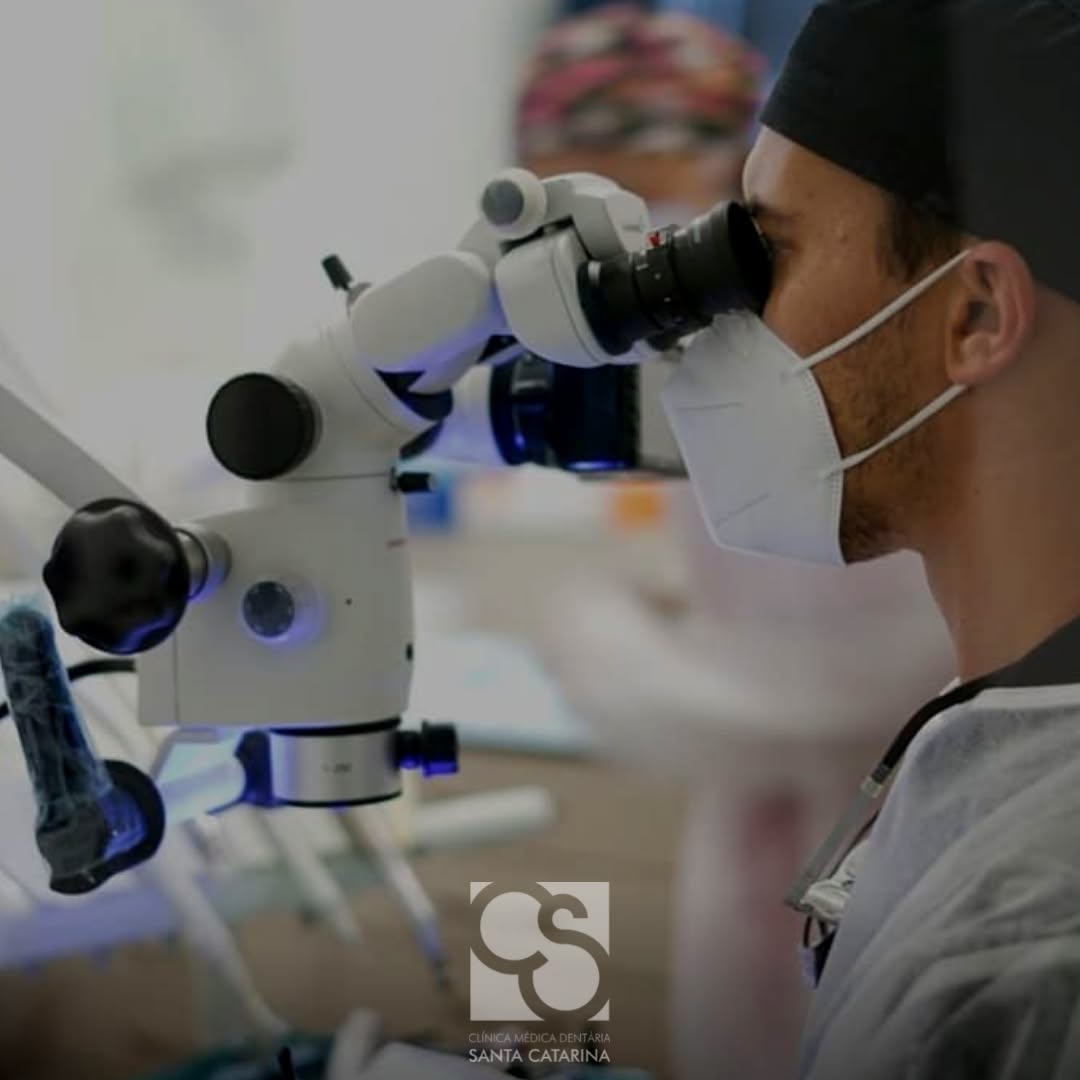
Dr Paulo Alexandre Carvalho at Clínica Dentária Santa Catarina is an international implantology lecturer with decades of surgical experience. These credentials are verifiable and represent the calibre of surgeon you should demand for your own treatment. For anyone researching whether dental tourism in Portugal safe includes properly trained implant specialists, checking the lead surgeon’s CV is one of the most effective safety checks.
Safety Check 3: Infection Control and Sterilisation Protocols
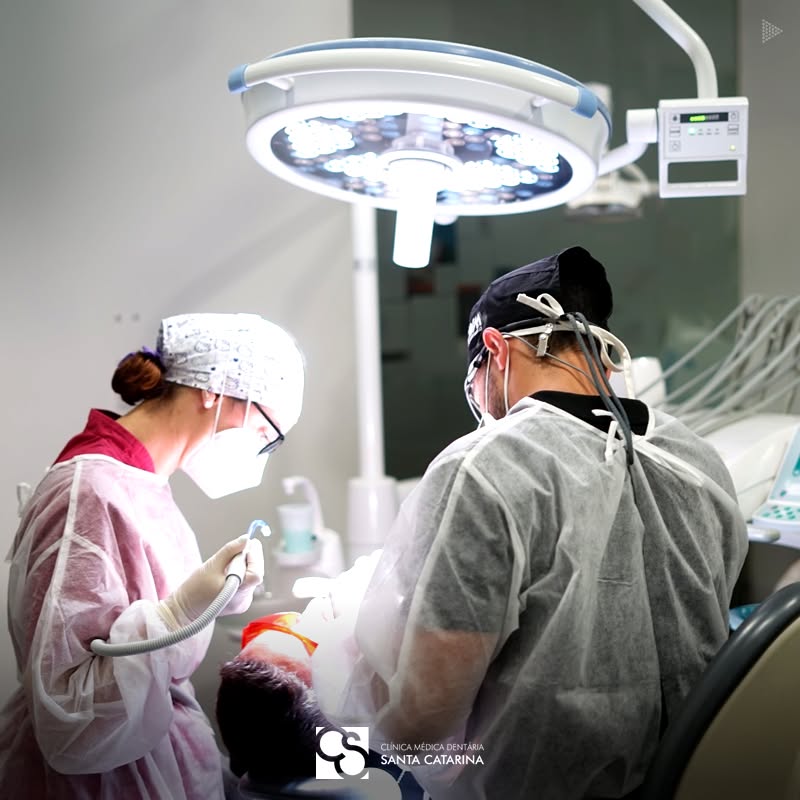
Implant surgery is an invasive procedure. Infection control is not optional — it is the difference between a successful recovery and a catastrophic complication. Before committing to any clinic, ask direct questions about their sterilisation procedures.
What to look for
- Autoclave sterilisation of all surgical instruments between every patient.
- Single-use disposable components for needles, gloves and suction tips.
- Documented protocols with dated logs for each sterilisation cycle.
- Separate clean and sterile zones within the surgical suite.
The FDA provides clear guidance on what patients should know about dental implant safety, including infection risks and device quality. Their dental implant patient guide is an excellent reference for understanding what a safe procedure looks like.
At our Porto clinic, sterilisation is documented for every instrument, every cycle, every day. This level of traceability is what separates a professionally managed facility from one that merely looks clean. Patients who specifically ask whether dental tourism on Portugal safe means their surgical environment meets hospital-grade standards should look for documented autoclave logs, separate sterile and non-sterile zones, and staff trained in cross-infection prevention protocols. These are non-negotiable requirements for any implant surgery, whether performed in Porto or in any major European city.
Many patients considering dental tourism in Portugal safe options start by comparing guarantee terms across clinics.
Transparent pricing and written guarantees
Hidden costs are one of the most common complaints in dental tourism. A clinic that cannot provide a fully itemised quote before you travel is a red flag. Safety is not only clinical — it is financial too.
The itemised quote
A transparent clinic will break down every cost: initial consultation, radiographic exams (panoramic X-ray, CBCT scan), surgical fees per implant, abutment, crown or prosthesis, anaesthesia and post-operative follow-up visits. You should receive this in writing, in your language, before booking flights.
Written guarantees
Premium implant brands like Straumann come with manufacturer warranties. The clinic should supplement this with its own guarantee covering the surgical work. A lifetime guarantee on implants, as offered by Clínica Dentária Santa Catarina, demonstrates long-term confidence in the quality of care. This kind of guarantee is a strong signal that dental tourism in Portugal safe is not just a marketing claim.
Legal framework
As an EU member, Portugal offers patients legal recourse through the European consumer protection framework. UK patients can access care under the NHS healthcare abroad provisions, as outlined by the NHS guidance on healthcare abroad. US patients should check with their insurance provider regarding HSA and FSA eligibility for dental treatments performed abroad. Understanding your rights before you travel adds another layer of financial and medical safety. When evaluating whether dental tourism in Portugal safe applies to your situation, the combination of EU consumer protection and transparent pricing is a powerful indicator of a trustworthy clinic.
| Safety Element | Red Flag | Green Flag |
|---|---|---|
| Quote | Vague total price, no breakdown | Fully itemised, in your language |
| Guarantee | Verbal only, no documentation | Written, covering implant + surgery |
| Implant brand | Unnamed or unknown brand | Straumann, Nobel, Osstem specified |
| Surgeon credentials | Not listed on website | Verified qualifications + photos |
| Aftercare | No follow-up plan after you leave | Structured remote follow-up + re-check |
Safety Check 5: Real Patient Reviews and Long-Term Follow-Up
Before concluding that dental tourism in Portugal safe is right for you, verify what real patients say. Marketing material can be polished. Real patient experiences cannot be faked as easily. Verifying a clinic through its patients is the fifth essential step in your safety assessment.
Where to find genuine reviews
- Google Reviews — look for detailed, specific reviews in your language, not just star ratings.
- Independent forums — platforms like Reddit’s dental tourism communities offer unfiltered opinions.
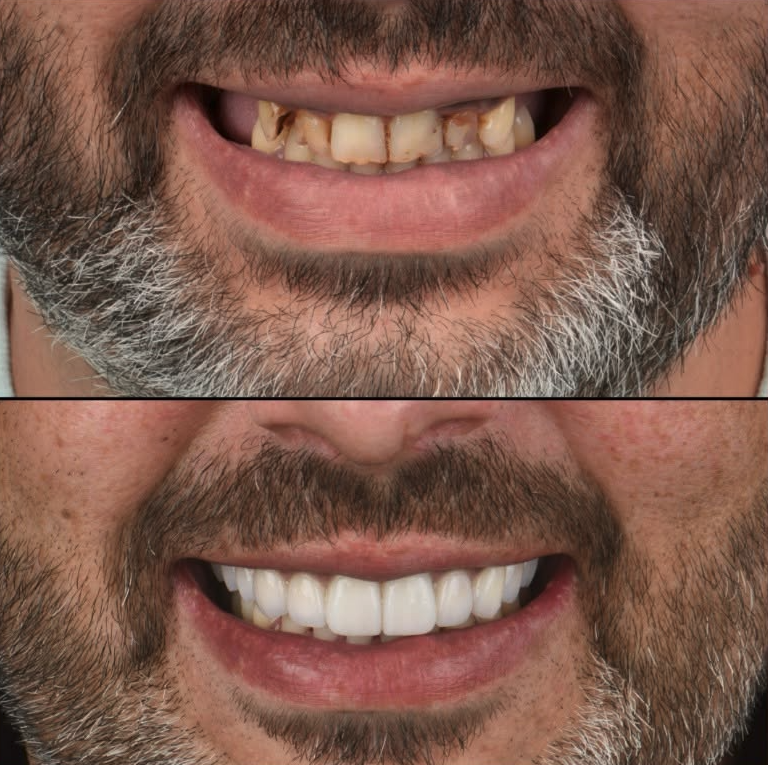
- Before-and-after photos — legitimate clinics publish documented clinical cases with timestamps.
Published clinical research also supports the safety of dental tourism in Portugal. Peer-reviewed clinical studies demonstrate that implant success rates at Portuguese clinics are comparable to those reported in the UK and the United States.
The follow-up protocol matters
Safe dental tourism does not end when you fly home. A responsible clinic provides a structured follow-up protocol: scheduled check-ups at three months, six months and twelve months, plus remote availability via WhatsApp or video call for any concerns between visits. At Clínica Dentária Santa Catarina, the English-speaking coordinator remains your point of contact throughout the entire recovery period, relaying clinical questions to the surgeon and tracking your healing progress. This long-term commitment is the final proof that dental tourism in Portugal safe is a reality, not just a slogan.
FAQ: Common Safety Questions About Dental Tourism in Portugal
Is dental tourism in Portugal safe compared to the UK?
Yes. Portuguese dental clinics operate under EU regulations identical to those in the UK. Implants from Straumann or Nobel Biocare are the same devices used in London or Manchester. The main difference is cost: 60 to 70 percent lower, as detailed in our dental implant cost guide for Portugal.
What happens if something goes wrong after I return home?
Your Portuguese clinic should cover corrective treatment under its guarantee. Most reputable clinics also work with local dentists in your home country for emergency follow-ups. At our clinic, the coordinator arranges remote consultations and, if necessary, a return trip for corrections — all covered under the guarantee. This is a critical safety net. Before booking any dental tourism destination, confirm in writing that the clinic accepts responsibility for surgical complications and covers the cost of corrective treatment. A clinic that only guarantees the implant material but not the surgical work is offering half a safety net at best. Full transparency on this point is non-negotiable.
Are cheap dental implants in Portugal safe?
The question of whether dental tourism in Portugal safe also depends on the materials used. Price alone does not determine safety. A low price from an ISO-certified clinic using premium implants and qualified surgeons is safe. A similar price from an uncertified clinic using unbranded implants is not. Always verify the three pillars: certification, implant brand and surgeon credentials.
How do I verify a Portuguese clinic’s credentials before booking?
Patients who systematically verify these criteria consistently conclude that dental tourism in Portugal safe is indeed a fact. Request their ISO certificate, ask which implant brands they use, check the lead surgeon’s qualifications, read Google reviews in your language, and request a fully itemised quote. A legitimate clinic will provide all of this within 24 hours. Learn more about choosing the right facility in our guide to dental treatment abroad.
Is dental tourism in Portugal safe for elderly patients or those with diabetes?
Yes, with proper medical screening. Our All-on-4 protocol in Portugal is routinely performed on patients over 70 and those with controlled diabetes, following thorough health assessments and modified surgical plans where needed.
Conclusion: Dental Tourism in Portugal Is Safe — When You Verify the Right Criteria
So, is dental tourism in Portugal safe? The evidence is clear: Portugal offers world-class dental implant care at a fraction of UK and US prices, backed by EU regulations, ISO-certified clinics and internationally recognised surgeons. Safety is not a matter of luck — it is a matter of verification.
Run through the seven checks: ISO certification, implant brand quality, surgeon credentials, infection control, transparent pricing, genuine patient reviews and structured follow-up. Patients who complete all seven steps before booking consistently report higher confidence and better outcomes. This is the evidence-based approach to determining whether dental tourism in Portugal safe is the right choice for your dental health. Any clinic that passes all seven is a legitimate, safe choice for your dental treatment.
At Clínica Dentária Santa Catarina in Porto, we welcome verification. We are ISO/TC 106 certified, use Straumann implants with a lifetime warranty, and our lead surgeon is an international implantology lecturer. Our English-speaking coordinator supports you from first contact through full recovery.
Request your free quote in 24 hours via WhatsApp or our contact form. Ask us anything — our team responds in English within the day. Your safety is our first priority, and we are ready to prove it.