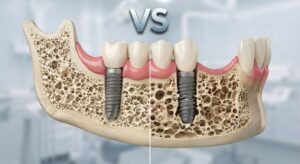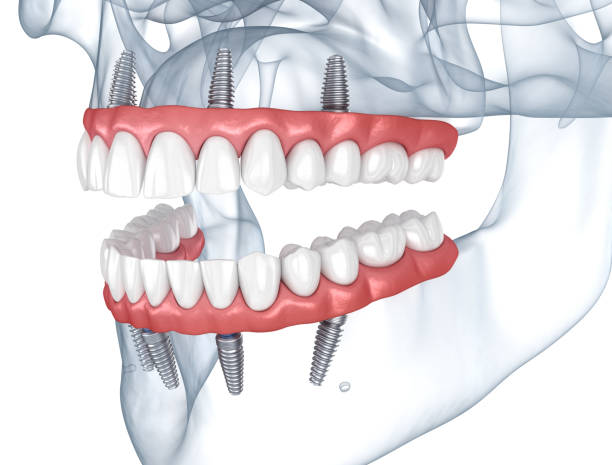
Dental implants are now one of the most durable and aesthetic solutions for replacing missing teeth. However, although this procedure is generally successful, there are cases where the implant may be rejected by the body. This article explores the risks associated with dental implant rejection and offers advice on how to minimize them.
What is dental implant rejection?
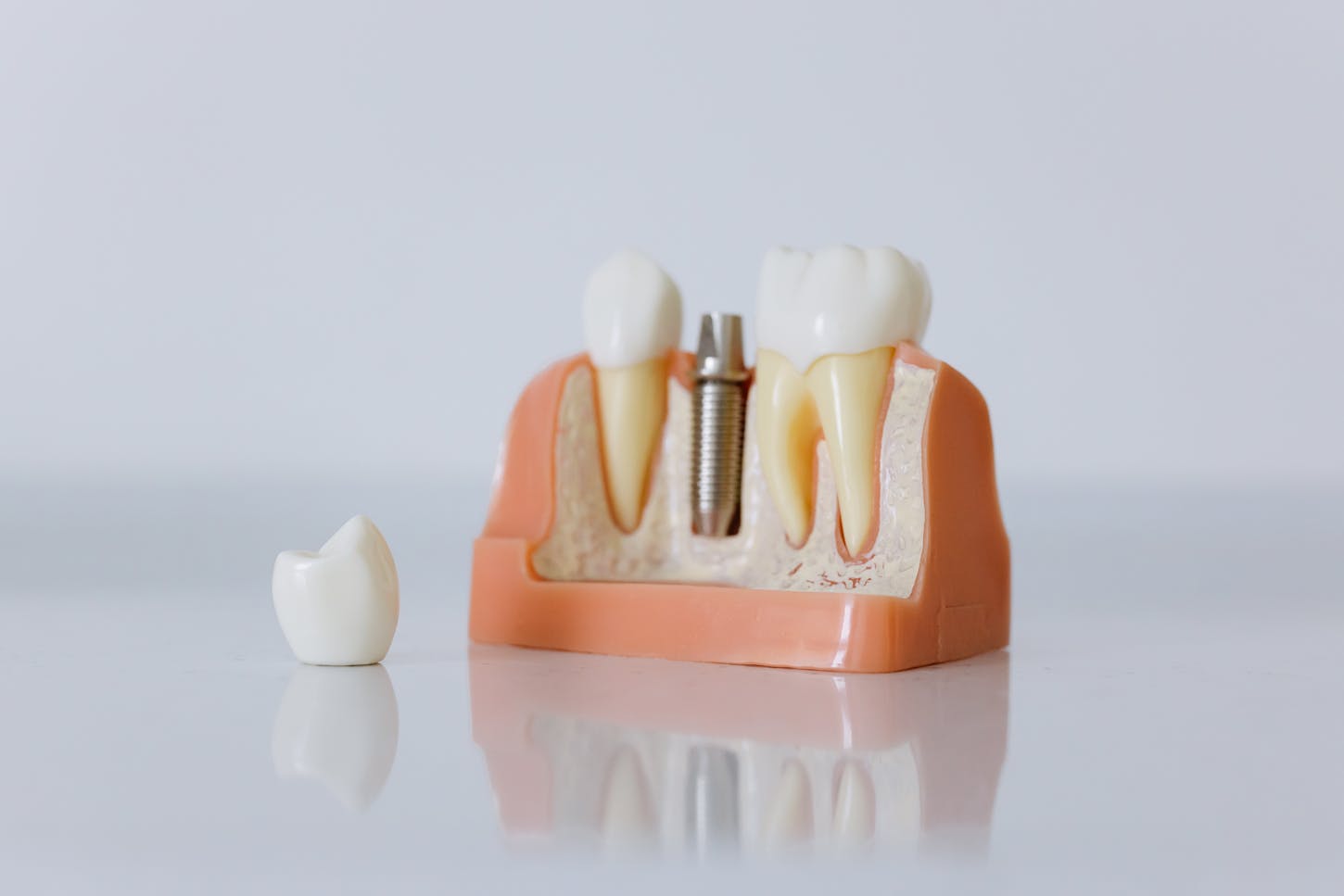
Dental implant rejection occurs when the bone fails to properly integrate the implant, a process known as osseointegration. Generally, the body accepts titanium implants, but in some cases, the bone or gum tissue reacts negatively, which can lead to treatment failure.
Main Causes of Dental Implant Rejection:
- Infection: An infection at the implant site can cause inflammation and prevent proper healing, resulting in implant failure.
- Mechanical Overload: If too much pressure is placed on the implant before it is fully integrated with the bone, it can disrupt the healing process.
- Allergies or Material Incompatibility: Although rare, some people may be allergic to titanium or other materials used in the implant.
- Smoking: Smoking reduces the healing ability of the gums and bones, increasing the risk of failure.
- Systemic Diseases: Medical conditions such as uncontrolled diabetes or immune system disorders can impair healing.
Warning Signs of Implant Rejection
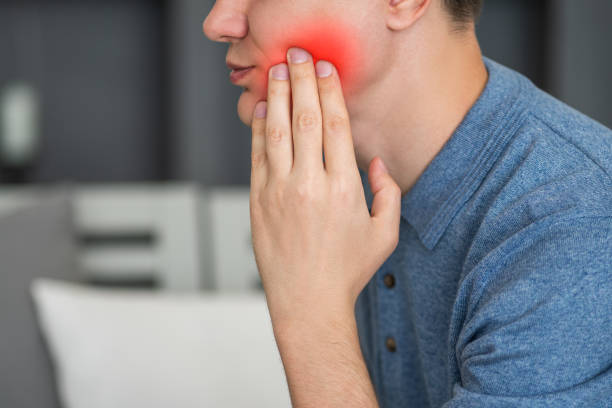
It is important to recognize the signs of dental implant rejection in order to take prompt action:
- Persistent pain around the implant.
- Excessive inflammation or redness of the gums.
- Implant mobility.
- Unusual bleeding at the implant site.
If any of these symptoms occur, it is crucial to consult your dentist as soon as possible.
How to Avoid Dental Implant Rejection:
- Choose an Experienced Professional: The quality of a dentist’s work is crucial for the success of an implant. Choose a qualified practitioner with a good track record in implantology.
- Follow Post-Operative Instructions: Strictly adhere to your dentist’s instructions after implant placement, particularly regarding oral hygiene.
- Avoid Tobacco and Alcohol: These substances can impair healing and increase the risk of infection.
- Maintain Good Oral Hygiene: Brush your teeth regularly and use dental floss to prevent bacterial buildup around the implant.
- Manage Chronic Diseases: If you suffer from diabetes or another chronic condition, make sure it is well-controlled before and after implant placement.
Dental implant rejection is still a relatively rare occurrence, but it is important to be aware of the risks so you can take steps to prevent them. By following the recommendations of a skilled professional, maintaining good oral hygiene, and avoiding risk factors, you will increase your chances of success and enjoy a durable, healthy smile.