Dental care in Portugal has become one of Europe’s best-kept secrets for patients from the United Kingdom looking to reduce their dental bills significantly without compromising on quality. With savings of up to 70% compared to private dental treatment in the UK — and no NHS waiting lists to navigate — Portugal has firmly established itself as a leading dental tourism destination for British patients.
But lower prices naturally raise questions. Is the quality truly comparable? How do you find a trustworthy dental clinic in Portugal? And how do you organise a trip that is both safe and worthwhile? This complete guide answers every question, so you can make a well-informed decision and travel with complete peace of mind.

Why Is Dental Care in Portugal So Much More Affordable?
The most common misconception about dental care in Portugal is that lower prices reflect lower quality. In reality, the price difference is driven entirely by structural economic factors — not by any difference in clinical standards or materials.
A Lower Cost of Living, Not Lower Standards
Portugal has a significantly lower cost of living than the United Kingdom. This directly affects the operating costs of dental clinics: rents, staff salaries, administrative overhead, and utilities are all considerably more affordable. These savings are passed on to patients through lower treatment prices.
The materials, equipment, and techniques used in reputable Portuguese clinics are identical to those found in British private practices. Top-tier implant brands such as Nobel Biocare, Straumann, and Zimmer Biomet are routinely used. Digital imaging, intraoral scanners, and CAD/CAM technology for same-day prosthetics are standard features in modern establishments.
A Well-Regulated and Internationally Trained Profession
Dentists in Portugal are trained at accredited universities and regulated by the Ordem dos Médicos Dentistas (OMD), the official professional body responsible for licensing and quality standards across the country. Every practitioner must be registered with the OMD to practice legally, and their registration status can be verified online — a simple but essential safeguard for any international patient.
Many Portuguese dentists have also completed part of their training or specialisation abroad, particularly in Spain, France, or the United Kingdom itself. This international background enriches their clinical expertise and, in many cases, makes communication with English-speaking patients considerably easier.
How Much Can You Really Save on Dental Care in Portugal?
To give you a realistic picture of the potential savings on cheap dental treatment in Portugal, here is a comparison of average private treatment costs between the UK and Portugal. All figures are indicative and may vary depending on the clinic, the complexity of the case, and the materials selected.
| Treatment | United Kingdom (private) | Portugal (average) | Estimated saving |
|---|---|---|---|
| Dental implant (implant + crown) | £2,500 – £3,500 | €900 – €1,600 | 50 – 70% |
| Ceramic crown | £700 – £1,200 | €300 – €600 | 45 – 60% |
| Porcelain veneer | £500 – £900 | €250 – €500 | 40 – 55% |
| Professional teeth whitening | £300 – £700 | €150 – €300 | 45 – 60% |
| Full dental check-up + X-rays | £50 – £120 | €30 – €70 | 40 – 55% |
| Full arch implant rehabilitation | £15,000 – £25,000 | €8,000 – €15,000 | 45 – 65% |
Even when factoring in the cost of flights and accommodation, most patients who travel for dental care in Portugal still achieve significant overall savings. For major treatments such as implants or full-mouth rehabilitation, the financial case is particularly compelling. For a broader comparison, see our article on dental treatment costs across Europe.
How to Choose the Right Dental Clinic in Portugal
Selecting the right dental clinic in Portugal is the single most important step in this entire process. The quality of your experience — and the long-term outcome of your treatment — will depend largely on this choice. Here are the criteria that matter most.
Verify Accreditation with the Ordem dos Médicos Dentistas
Before booking any appointment, confirm that the dentist who will treat you is registered with the OMD. Any legitimate clinic will readily share the OMD registration numbers of its practitioners. If a clinic hesitates or declines to provide this information, treat it as a serious warning sign.
Some clinics also hold additional quality certifications such as ISO 9001, or accreditations specific to medical tourism. While these are not mandatory, they reflect a structured commitment to patient safety and quality management.
Read Patient Reviews Thoroughly
Online reviews are one of the most reliable tools for evaluating a dental clinic in Portugal — provided you know how to read them properly. Look beyond star ratings and focus on detailed accounts. Pay particular attention to reviews that describe the complete experience: the initial consultation, the quality of communication, the care received during treatment, the follow-up process, and the results several months later.
Be cautious of clinics whose reviews are overwhelmingly positive, very recent, and written in suspiciously similar language. Genuine patient feedback always includes nuance, specific personal details, and occasionally constructive criticism. Dental tourism forums and dedicated Facebook groups can be excellent sources of candid, unfiltered first-hand experience from British patients who have already made the trip.
Request a Full Written Quote Before Committing
A trustworthy dental clinic in Portugal will always provide a detailed written quote before any treatment begins. This document must clearly list every procedure planned, the materials to be used, individual unit prices, the total cost, and the warranty terms for any prosthetics or implants. A warranty of five to ten years is considered standard in quality establishments.
Compare quotes from at least two or three different clinics before making your decision. A price that appears unusually low may indicate the use of inferior-grade materials, or a deliberate underquote designed to attract patients, with additional charges added later. For a reliable reference point on typical UK private dental prices, the NHS guide to dental costs provides a useful benchmark when comparing quotes you receive from clinics in Portugal.
Prioritise Clear and Accessible Communication
Language is rarely a barrier for British patients travelling for dental care in Portugal. Most clinics specialising in international patients employ English-speaking staff, and many dentists in Lisbon, Porto, and the Algarve speak fluent English. Always confirm this during your initial contact. A clinic that communicates clearly, promptly, and in full from the very first exchange is far more likely to maintain that same standard throughout your treatment.
The Most Sought-After Dental Treatments in Portugal
Not all dental treatments offer the same degree of financial advantage when seeking cheap dental treatment in Portugal. Some procedures stand out for their particularly strong price-to-quality ratio.
Dental Implants: The Most Requested Treatment
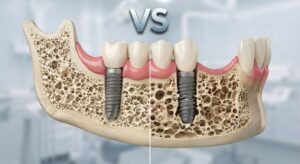
Implantology is without question the treatment that attracts the greatest number of British patients to Portugal. Savings compared to UK private dental prices can reach 70% for a complete implant with a ceramic crown. Reputable clinics use internationally recognised brands such as Nobel Biocare, ensuring a clinical outcome entirely equivalent to what you would receive at a private practice in the UK.


It is essential to understand that implant treatment requires at least two visits: the first for surgical placement of the implant, and a second trip several months later — once osseointegration is fully complete — for fitting the permanent crown. Plan your travel schedule accordingly. For a step-by-step breakdown of the process, read our dedicated guide on dental implants in Portugal.
Crowns, Bridges and Veneers
Dental prosthetics represent another major reason British patients seek dental care in Portugal. Ceramic crowns, implant-supported bridges, and porcelain or composite veneers can all be obtained at a fraction of UK private dental prices. For full-mouth rehabilitation involving multiple restorations, the total savings can easily amount to several thousand pounds.
Many modern Portuguese clinics use in-house CAD/CAM milling technology, which allows custom prosthetics to be designed and manufactured on-site within days. This significantly shortens the required length of your stay and eliminates the long waiting times often associated with external laboratory work.
Teeth Whitening and Cosmetic Dentistry
Professional teeth whitening, smile design, and other cosmetic procedures are also popular among British patients travelling for dental care in Portugal. These treatments typically require only a single session, making them well suited to a short stay. Prices for in-chair professional whitening in Portugal are 45 to 60% lower than equivalent treatments at a UK private dental practice.
Planning Your Dental Trip to Portugal: Practical Steps
Thorough preparation is what separates a smooth, rewarding dental tourism experience from a stressful one. Here is what to organise before, during, and after your trip for dental care in Portugal.
Which City Should You Choose?
Lisbon and Porto are the two cities with the highest concentration of clinics experienced in treating international patients. Both are exceptionally well connected to major UK airports — London Heathrow, Gatwick, Stansted, Manchester, Bristol, and Edinburgh — with frequent direct flights available year-round at competitive prices.

The Algarve region — particularly around Faro, Albufeira, and Lagos — is arguably the most popular choice for British dental tourists. This region has one of the largest British expat communities in Europe and a long-standing tradition of catering to UK visitors. Many clinics in this area have English-speaking staff as standard and are thoroughly experienced in treating British patients.
How Many Trips Will You Need?
The number of visits required depends entirely on your treatment plan. A consultation, cleaning, or whitening session can typically be completed in a single trip. Dental implants require at least two visits, separated by three to six months. Complex full-arch rehabilitations may involve three or more appointments over a longer period.
Ask the clinic for a complete treatment timeline before booking any flights. Some practices specialising in dental tourism offer coordination packages that include assistance with scheduling and, in some cases, help with accommodation — a genuine convenience for first-time dental tourists.
What to Prepare Before You Leave and After You Return
Before travelling, ask your regular dentist at home to prepare an up-to-date dental record, including recent X-rays and a full panoramic radiograph. This information will save time during the initial consultation in Portugal and allow the treating dentist to develop an accurate, personalised treatment plan.
After your return, keep your local dentist fully informed of all treatments received. Request a complete patient file from the Portuguese clinic before leaving: treatment reports, radiographs, and detailed information about all materials and prosthetics used. These documents are essential for continuity of care and, should any complications arise, for effective management back home. For more information on organising medical care abroad, visit our guide on patient rights for healthcare abroad.
Is Dental Care in Portugal Suitable for All Ages?
Yes. Dental care in Portugal is appropriate for adults of all ages. Young adults seeking cosmetic improvements, working adults looking to address years of delayed or unaffordable private treatment, and older patients requiring full prosthetic rehabilitation are all well served by the country’s dental offering.
For elderly patients or those managing chronic health conditions, it is advisable to inform the clinic in advance of any relevant medical history. Accredited clinics routinely administer a thorough pre-treatment health questionnaire and will adapt the treatment plan accordingly to ensure safety at every stage.
Paediatric dentistry is also available throughout Portugal, though dental tourism is generally less relevant for children, where continuity with a local dentist is preferable for ongoing care.
Frequently Asked Questions About Dental Care in Portugal
Can UK patients get any financial help for dental care received in Portugal?
Post-Brexit, UK patients are no longer entitled to the same EU healthcare benefits that previously applied. The UK Global Health Insurance Card (GHIC) covers emergency and medically necessary treatment during temporary stays in EU countries, but it does not cover planned dental treatment. British patients travelling specifically for dental care in Portugal will therefore pay the full cost out of pocket. For full details on your rights as a UK national receiving healthcare in the EU, visit the UK government guide to healthcare abroad.
How do I confirm that a dentist in Portugal is properly qualified?
Ask the clinic to provide the treating dentist’s OMD registration number, which can be cross-checked on the Ordem dos Médicos Dentistas official register. You can also request a copy of the dentist’s CV, their specialisation credentials, and details of their clinical experience directly from the clinic.
What happens if I have a problem after returning to the UK?
Contact your local dentist immediately and notify the Portuguese clinic at the same time. A reputable clinic will have a clear protocol for managing post-treatment issues remotely. Complications covered by the treatment warranty should be addressed under the terms agreed in writing before your treatment began.
Do I need to speak Portuguese to be treated in Portugal?
No. English is widely spoken in clinics that regularly treat international patients, particularly in Lisbon, Porto, and the Algarve. Many dentists and treatment coordinators are fully fluent. Always confirm language availability during your initial contact with the clinic.
Is dental tourism in Portugal worth it for a simple check-up?
For a routine check-up alone, the cost of travel is unlikely to justify the trip financially. Dental tourism is most cost-effective for more substantial treatments — implants, crowns, veneers, or full-mouth rehabilitation — where the savings clearly and significantly exceed travel and accommodation expenses.
Key Takeaways: Making the Most of Dental Care in Portugal
Dental care in Portugal offers a genuine, well-documented opportunity to access high-quality dental treatment at prices that are 50 to 70% lower than private dental care in the United Kingdom. For British patients, the combination of proximity, affordability, and quality makes Portugal one of the most logical dental tourism destinations in Europe.
The foundation of a successful experience is preparation: selecting an accredited dental clinic in Portugal, verifying the credentials of your treating dentist, obtaining a clear written quote with warranty terms, and arranging follow-up care at home before you travel.
Approached with the same care you would give to any important medical decision, dental care in Portugal is not a compromise. It is a well-reasoned, practical choice that allows you to protect your oral health — and your budget — at the same time.