You have just had dental implant surgery, and the first question on your mind is probably not about the cost of the implant — it is about what to eat after dental implant surgery without harming your healing bone. The 30 days that follow the procedure are the most critical window of your entire treatment, and the right dental implants food diet can be the difference between a smooth recovery and a frustrating complication.
This complete 30-day food guide, written by the team at Clínica Dentária Santa Catarina in Porto, walks you through every phase: liquids, soft foods, semi-soft textures and a return to normal eating. We combine our clinical experience with published research so you know exactly what to put on your plate each day. You will also find our full 12-month dental implant aftercare timeline if you want the complete picture beyond food.
Why Your Dental Implants Food Diet Matters After Surgery
Your dental implants food diet in the first month is not about losing weight — it is about protecting the surgical site while osseointegration begins. Osseointegration is the process where your jawbone grows around the titanium implant and locks it in place. It starts within days of placement and continues for several months.
Two things threaten this process in the early weeks: mechanical trauma and poor nutrition. Crunchy, hard or sticky foods can put direct pressure on the fresh implant and its sutures. Meanwhile, a diet low in protein, vitamin C and zinc slows tissue repair and leaves you more vulnerable to infection.
The Science Behind Nutrition and Healing
A 2026 scoping review in the International Journal of Implant Dentistry examined how dietary factors and nutrients influence osseointegration, implant success and survival. The authors concluded that balanced nutrition plays a supporting but meaningful role in healing outcomes — one more reason to take your meals seriously during the recovery window.
Your body needs roughly 1.2 to 1.5 grams of protein per kilogram of body weight each day during active healing. For a 70 kg patient, that is around 90 to 105 grams of protein daily, spread over several soft, easily chewed meals. Because you cannot rely on hard proteins like steak, your dental implants food diet must be clever about getting protein from softer sources.
Three Golden Rules for Every Meal
Before you start planning menus, keep three rules in mind — they apply to every phase of your dental implants food diet:
- Soft and moist: if it hurts to chew, it is not ready — go one texture softer.
- Nutrient-dense: every meal should deliver protein, vitamins and minerals, not empty calories.
- Gentle on the site: chew on the opposite side and keep food away from the wound.
Follow these rules and you will protect the bone around the implant while giving your body everything it needs to repair.
The First 24 Hours: Liquids After Dental Implant Surgery
On the day of your surgery, your gum is still numb, your stitches are fresh, and the implant is at its most fragile. Your dental implants food diet starts with liquids and near-liquids only. Do not eat anything that requires chewing, and do not use a straw — the suction can dislodge the protective blood clot and trigger a painful dry socket.
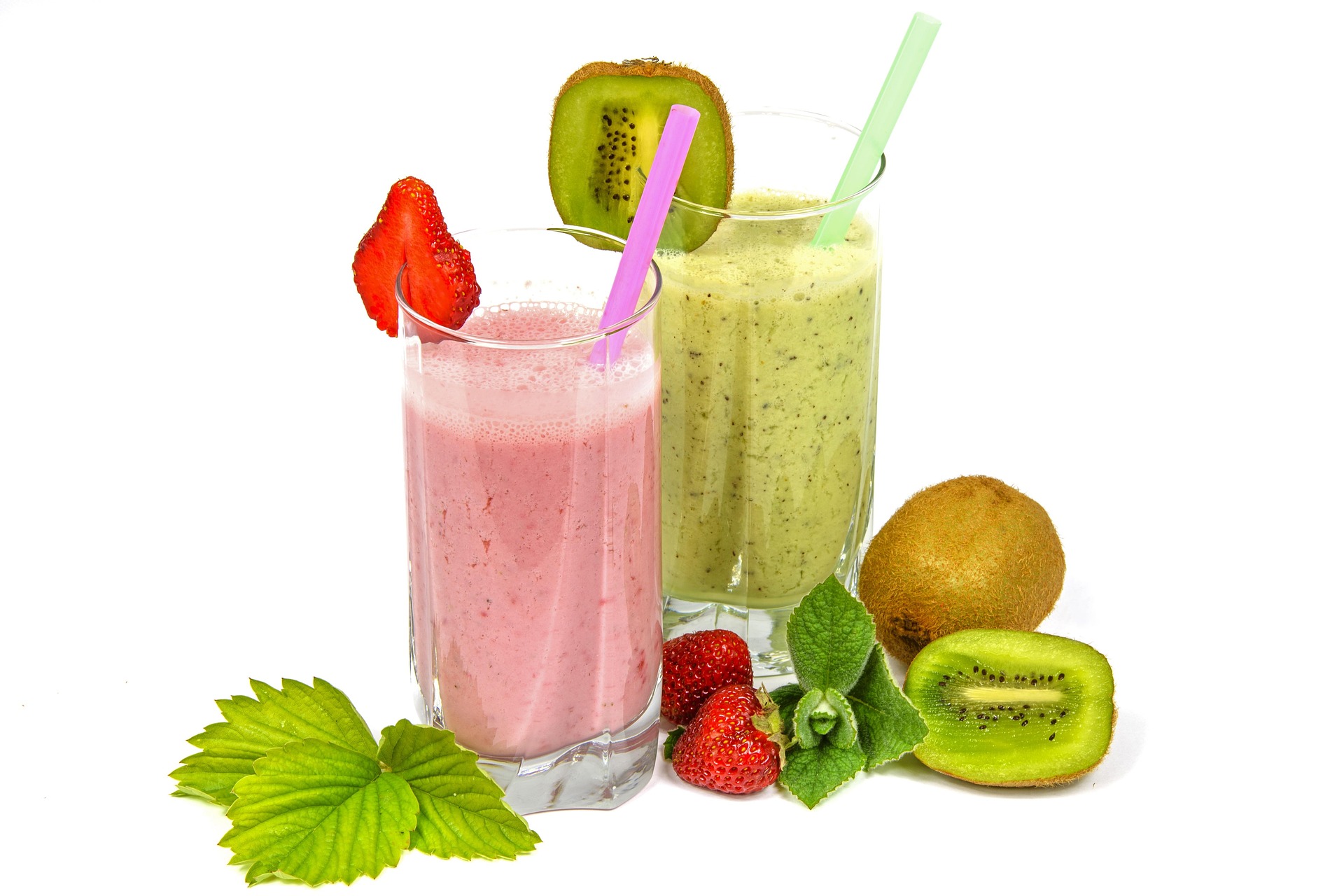
What You Can Drink and Eat in the First 24 Hours
- Room-temperature water, broth and consommé
- Smoothies made with soft fruits, yogurt and a protein powder
- Thin porridge, cream of rice or instant oatmeal
- Thoroughly blended vegetable soup without chunks
- Milk, plant milks and thin yogurt drinks
Eat on the opposite side of your mouth from the implant, and take small, slow sips. Keep meals cool: hot liquids increase swelling and can dissolve the protective clot around the surgical site.
What to Avoid from Day One
Even in this liquid phase, some choices break the rules of the dental implants food diet. Skip anything with seeds, nuts or crunchy pieces that could get trapped in the wound. Avoid coffee, alcohol and carbonated drinks for at least 24 hours. Alcohol slows clotting and can interfere with your pain medication, while carbonation creates pressure that disturbs the healing socket.
Prepare your liquid stock before surgery: make soups, blend fruit and freeze portions. When you come home numb and tired, you will be grateful to simply heat a portion rather than cook from scratch.
Days 2-7: Soft Foods After Dental Implant Placement
Days two to seven are the classic soft-food week of any dental implant food diet. Swelling peaks around day three and your stitches are still holding the gum together. You can now move from liquids to soft foods, but everything you eat should be mashable with a fork and gentle on the surgical area.
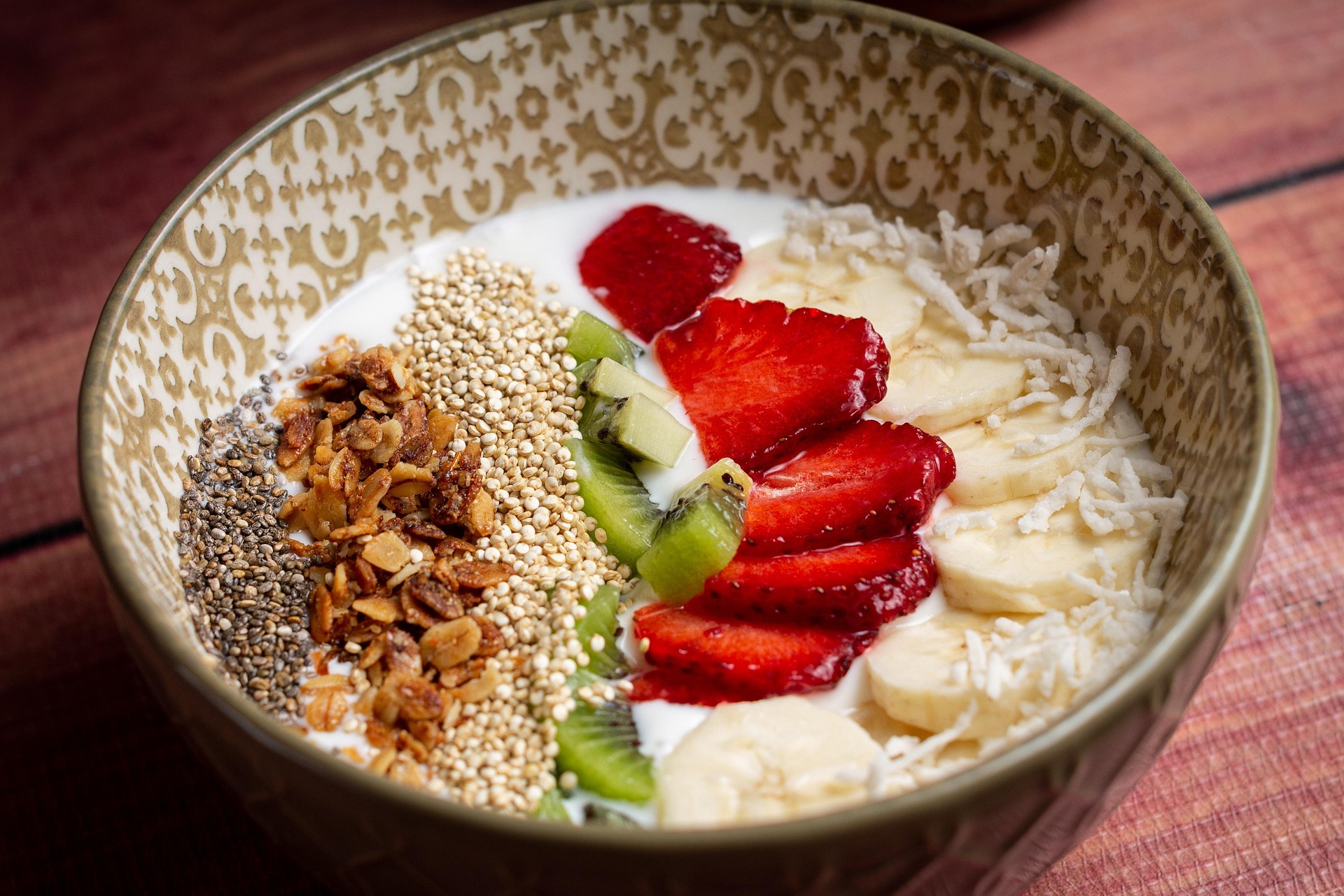
The Best Soft Foods for This Week
- Greek yogurt and creamy dairy desserts
- Mashed potatoes with butter and milk
- Scrambled eggs, poached eggs and soft omelettes
- Blended soups — vegetable, pumpkin, pea and lentil
- Mashed avocado, hummus and soft cheeses like ricotta
- Well-cooked pasta cut into small pieces
- Oatmeal, semolina and soft bread soaked in milk
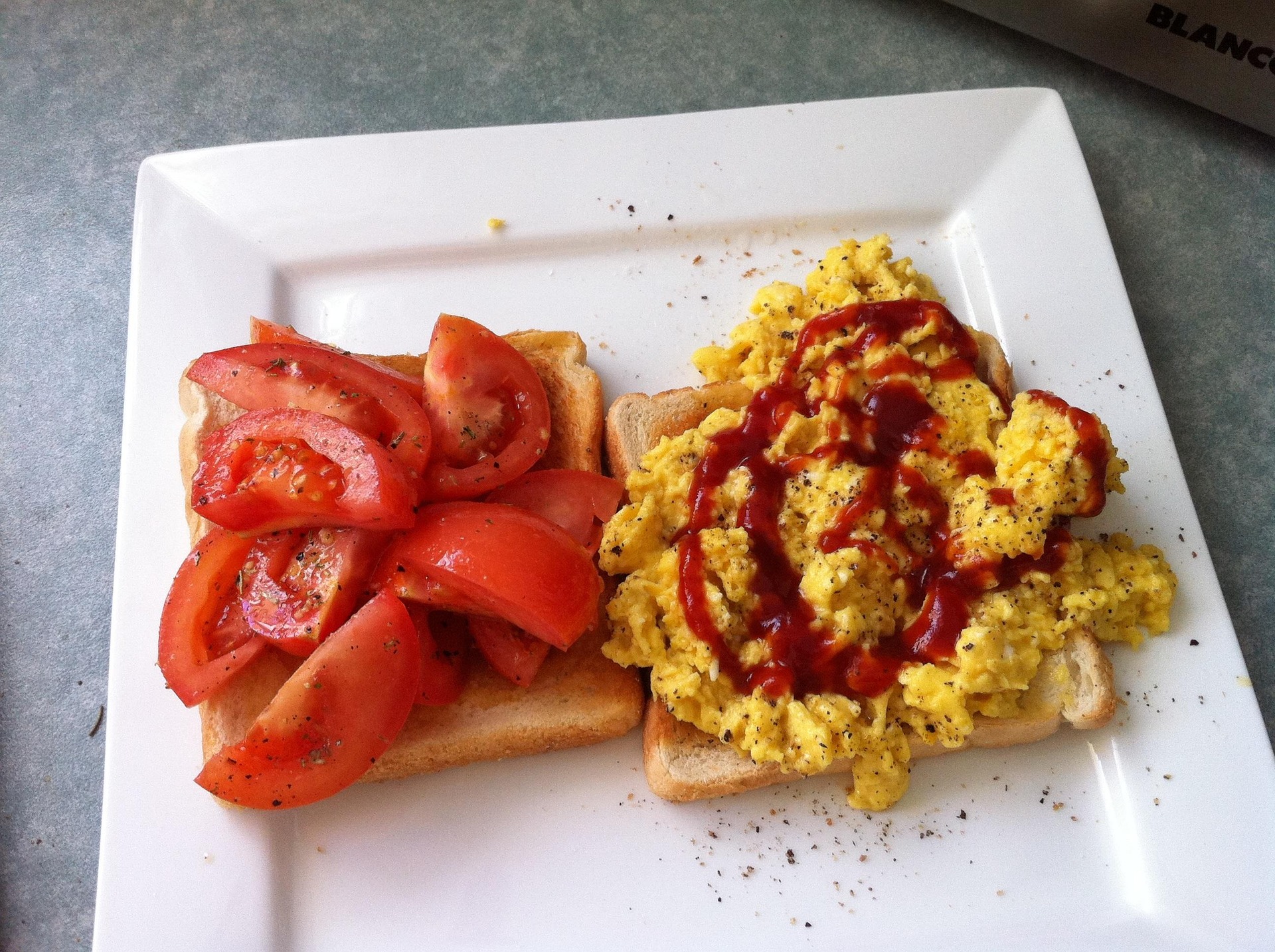
Eggs are one of your best allies this week: they are soft, protein-dense and easy to prepare. The NHS soft and puree diet guidance for oral surgery recommends exactly this kind of food — soft, moist and low in hard particles — to keep the surgical site clean and pain-free.
Proteins and Micronutrients You Should Prioritise
Aim for protein at every meal. Eggs, soft fish like salmon or cod, mashed legumes and protein-fortified smoothies all count. Add vitamin C sources — mashed banana, pureed mango or orange juice — because vitamin C is essential for collagen formation in your healing gum tissue.
Zinc, found in yogurt, oats and legumes, supports immune function and cell repair. Pair these nutrients and your dental implants food diet becomes a genuine healing tool rather than a list of restrictions.
Days 8-14: Semi-Soft Foods and New Textures
By the second week, your stitches often start to dissolve or are removed, and the site feels noticeably calmer. This is the transition stage of the dental implants food diet: you reintroduce more texture, but you still avoid hard, sharp and sticky foods.
What to Add to Your Meals
You can now handle soft-cooked vegetables, flaky fish, tender chicken and soft rice. Try well-ripe fruits cut into small pieces, soft bread and delicate pastas. The key rule: if you can break the food with your tongue against the roof of your mouth, it is safe to eat. This simple test will guide you through the rest of your dental implants food diet without guesswork.
Meal Ideas for the Transition Week
- Grilled salmon with mashed sweet potato
- Shredded chicken in a mild broth with soft rice
- Ripe banana with peanut butter thinned with yogurt
- Cottage cheese with pureed berries
- Soft tortilla with mashed beans and guacamole
Notice how each idea combines a soft base with a protein source — this keeps you full and fuels healing without any risk to the implant.
A Useful Comparison: Phases of Your 30-Day Food Diet
| Phase | Texture | What to Eat | What to Avoid |
|---|---|---|---|
| Days 0-1 | Liquid | Broth, smoothies, blended soup, porridge | Anything chewy, hot drinks, straws |
| Days 2-7 | Soft | Mashed potato, yogurt, scrambled eggs, pureed soup | Nuts, seeds, crusty bread, spicy food |
| Days 8-14 | Semi-soft | Flaky fish, tender chicken, soft rice, ripe fruit | Hard crackers, chewy meat, popcorn |
| Days 15-30 | Regular | Gradual return to your normal balanced diet | Very hard foods, sticky candies, alcohol in excess |
Days 15-30: Returning to Normal Eating
From day fifteen, most patients can return to a normal diet, always chewing primarily on the healthy side. The implant is becoming more stable as bone grows around it, but it is not yet fully integrated. Treat the area with respect for the full 30 days — this patience protects the investment you made.
Foods That Support Long-Term Implant Success
Your long-term dental implants food diet should protect both the implant and your remaining bone. Calcium-rich dairy, vitamin D from oily fish, lean proteins and plenty of vegetables all support healthy bone around the implant. A balanced diet over years is one of the factors that decides how long dental implants last — in our experience, 96% of implants survive at least ten years when patients maintain good oral hygiene and sensible eating habits.
Hydration matters too: drink enough water throughout the day to keep your mouth clean and support circulation to the healing area. Rinse gently with salt water after meals, but never rinse forcefully during the first week.
When You Can Eat Normally Again
By the end of week three, you can usually eat almost anything. Introduce harder foods gradually: first soft bread, then cooked vegetables, then crunchy fruit and salad. If a food causes pain, return to the previous texture for a few more days — there is no rush. Each small step forward keeps your dental implants food diet safe while your bone continues to mature, and by week four most patients are back to full meals with confidence.
Foods to Avoid After Dental Implant Surgery
Some foods are risky for the entire first month, no matter how healed you feel. Steering clear of them is a core rule of any safe dental implants food diet.
Foods That Can Damage the Implant Site
- Hard foods: nuts, hard candies, ice, crusty bread, popcorn
- Sticky foods: caramel, chewing gum, dried fruit, toffee
- Sharp foods: chips, toast, tough meats, seeds
- Irritants: very spicy dishes, extremely hot drinks, alcohol
Each of these categories risks the same outcome: pressure or particles that irritate the healing gum, delay bone growth or introduce bacteria into the wound. Remember that peri-implant disease, the gum infection that can threaten an implant years later, is something you can influence from the very first meal. The European Federation of Periodontology explains the risk factors of peri-implant disease and why prevention starts with good hygiene and careful habits.
A Note on Alcohol and Smoking
Alcohol should stay off the menu for at least the first week, and ideally the whole month. It thins your blood, delays healing and can interact badly with painkillers. Smoking is far worse: nicotine constricts the blood vessels in your gum and jaw, dramatically raising the risk of implant failure. If you smoke, talk to us about a plan before your surgery date. A disciplined dental implants food diet combined with a smoke-free recovery gives you the best odds of a healthy, long-lasting result.
FAQ: Your Dental Implants Food Diet Questions
Can I eat bread after dental implant surgery?
Fresh, soft bread is fine from the second week, but avoid crusty bread for the first 14 days. If bread feels hard, moisten it with soup or milk before eating. Bread is one of the most common questions patients ask about their dental implants food diet.
Can I drink coffee after implant surgery?
Wait at least 48 hours. Coffee is acidic, can irritate the wound and the heat increases swelling. When you reintroduce it, keep it lukewarm and avoid sugar that could feed bacteria. Keeping coffee out of the equation makes the first days of your dental implants food diet far more comfortable.
Can I eat spicy food after dental implant placement?
Not during the first 10 to 14 days. Spicy food irritates the healing gum and can mask early signs of infection. Reintroduce it gently and watch how the site reacts.
When can I chew on the side of the implant?
Most patients wait at least three to four weeks before putting any real chewing pressure on the implant side. Until then, keep chewing on the opposite side, even when the food is soft. When you do start, begin with the softest textures and build up gradually — a careful pace is the backbone of a successful dental implants food diet.
How long before I can eat normally?
Most patients eat a normal diet by day 15 to 21, chewing on the opposite side. Full osseointegration takes months, so keep hard and sticky foods limited through week four. If you plan further work later, our guide to single tooth implant costs in Portugal can help you budget the full treatment.
Patients often wonder about the overall journey before worrying about any single meal. Understanding the full process — from planning and travel to the final crown — makes the recovery period easier to accept. Our article on dental implants in Portugal and recovery answers most of these practical questions.
Conclusion: Build Your 30-Day Food Plan and Protect Your Implant
The 30 days after dental implant surgery are simple if you follow one rule: eat soft, eat balanced and eat on the safe side. Liquids first, soft foods for the first week, semi-soft textures in the second, and a gradual return to normal eating by day 30. This dental implants food diet protects your healing bone, supports osseointegration and gives your implant the best possible start. Follow each phase strictly and you will minimise swelling, discomfort and the risk of complications.
At Clínica Dentária Santa Catarina in Porto, we have placed and restored implants since 1968, using certified CE Straumann implants with a lifetime guarantee. We welcome patients from France, Belgium, Luxembourg and Switzerland, and every treatment includes a full post-operative care plan — so you will never manage your recovery alone. For a clear idea of pricing, see our complete dental implant cost guide in Portugal.
Request your free quote in 24 hours via WhatsApp or our contact form. Tell us about your situation, and our team will send you a personalised plan and a precise price for your implant treatment in Porto.