Few questions worry prospective patients as much as the link between smoking and dental implants. You have probably read the alarming statistics: implants placed in smokers fail more often, heal more slowly, and are more likely to develop peri-implantitis. The information is usually true, but it is rarely nuanced. At the Clínica Dentária Santa Catarina in Porto, we have placed Straumann implants for decades, and we believe smokers deserve a clear, evidence-based answer instead of a blanket refusal or an unrealistic promise.
So here is the honest starting point: smoking and dental implants do not combine as well as we would like, but smoking is not an automatic disqualification. The difference between success and failure depends on your smoking intensity, your bone quality, the surgical protocol and the follow-up you receive. This is exactly how we manage it at our clinic. If you want to understand the full picture before making a decision, we invite you to explore how we plan dental implant treatment in Portugal step by step. In this guide, we review the failure-rate data, explain the biology behind it, and show you precisely what our Porto team does to reduce risk for smokers.
Our clinic has been welcoming international patients since 1968 and is certified under the international dentistry standard ISO/TC 106. We use CE-certified Straumann implants with a lifetime warranty, and we adapt every treatment to the individual patient. Smoking and dental implants is a subject we handle routinely, with a clear protocol, honest advice, and realistic expectations — never a one-size-fits-all answer.
Why Smoking and Dental Implants Is a Real Clinical Concern
To understand why smoking and dental implants is taken so seriously by implantologists, you need to understand what an implant actually needs to succeed. A dental implant is not glued in place. It relies on osseointegration — the biological process in which living bone grows around and bonds with the titanium surface. Anything that disturbs that process threatens the implant from day one.
Nicotine, blood flow and bone healing
Cigarette smoke contains thousands of compounds, but nicotine deserves special attention because of its effect on blood vessels. Nicotine is a vasoconstrictor: it narrows the small blood vessels that supply oxygen and nutrients to the healing tissues. After an implant is placed, the bone must rebuild around the fixture over several months. In a smoker, that rebuilding happens in a poorer environment — less oxygen, fewer nutrients, slower cell turnover.
The result is a measurable difference in biology. Studies have repeatedly observed that smokers show more marginal bone loss around implants and a slower healing response after surgery. This is the mechanism behind most of the statistics you will read about smoking and dental implants, and it explains why the first weeks after placement are so critical for patients who smoke.
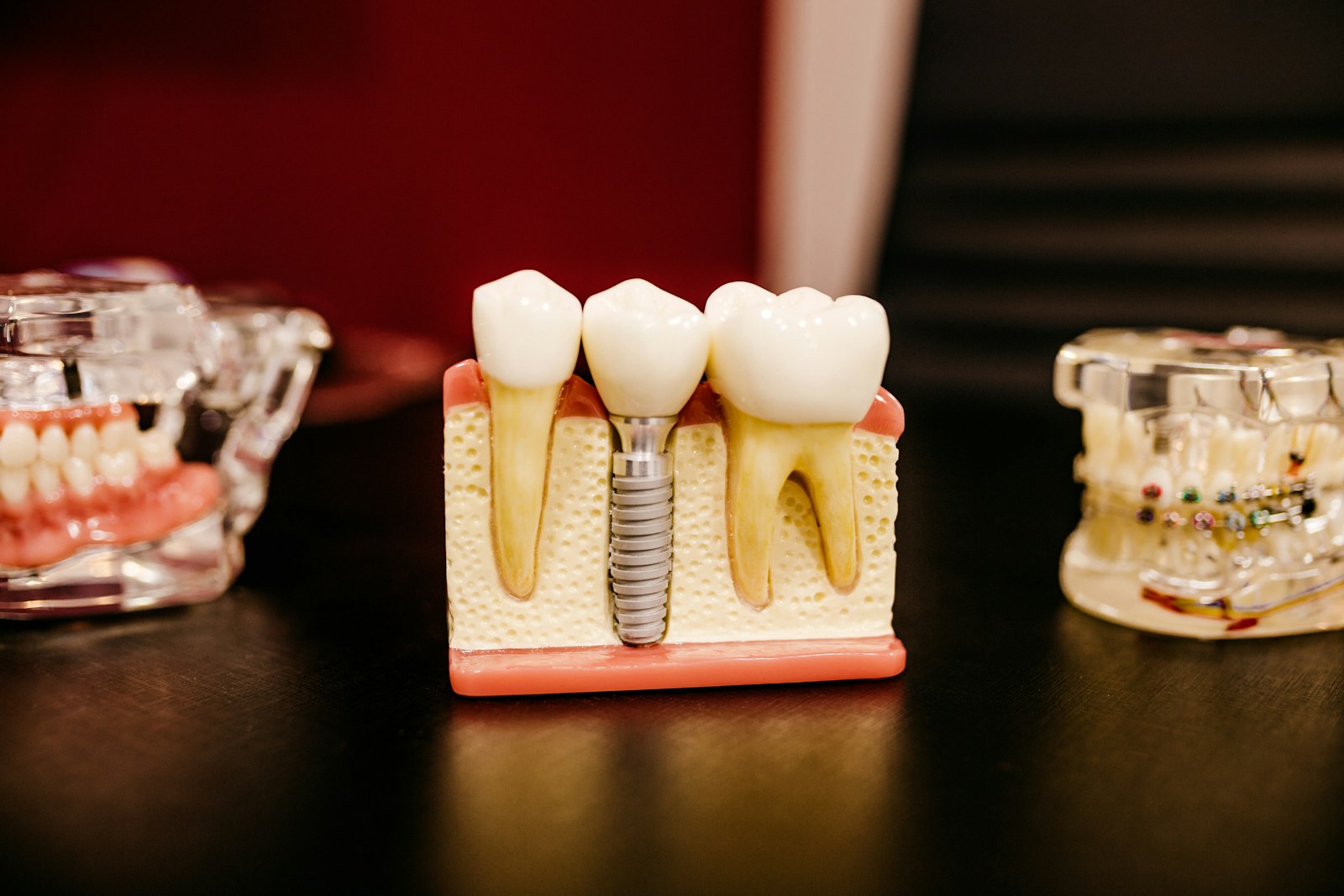
A titanium implant with crown: osseointegration is the decisive phase for smokers.
Bone loss and peri-implantitis
The problems do not stop at healing. Smoking also affects the gums and the bone around the implant years after placement. Nicotine impairs the immune response in the gum tissue, making smokers more vulnerable to infection. Peri-implantitis — the inflammatory disease that destroys the bone around an implant — is significantly more common in smokers, and it is the leading cause of late implant loss.
This is why we treat smoking and dental implants as a long-term management question, not just a one-off surgical concern. Success is not only about whether the implant integrates in the first months; it is about whether it is still stable ten years later.
Smoking and Dental Implants: The Failure Rate Data
Numbers matter more than anecdotes, so let us look at what the research actually shows. The most reliable data on smoking and dental implants comes from systematic reviews and meta-analyses that pool hundreds of clinical studies together.
What the systematic reviews found
A comprehensive 2025 systematic review on tobacco smoking as a risk factor for dental implants analysed 44 studies with follow-ups of 1 to 17 years. Cigarette smokers showed a significantly reduced implant survival, roughly a 2.5 times higher risk of failure at implant level compared with non-smokers. The same review found increased crestal bone loss in smokers and a higher incidence of peri-implantitis in the majority of the included studies.
Another meta-analysis on the success of dental implants in smokers and non-smokers reached a comparable conclusion: a statistically significant difference in implant failure favouring non-smokers, with an odds ratio of about 2. In practical terms, this means that while most implants placed in smokers still succeed, the risk of failure is roughly doubled.
Early versus late failure
It is useful to separate the two moments when an implant can fail. Early failure happens in the first weeks or months, during osseointegration, often because healing is compromised. Late failure happens years later, usually due to peri-implantitis or progressive bone loss. Smoking and dental implants raises the risk at both stages, but the mechanisms differ — and so do the strategies to prevent them.
The key message for smokers is not to panic but to plan. The research on smoking and dental implants consistently shows that risk is elevated but manageable when the patient is informed, the surgeon is experienced and the protocol is adapted accordingly.
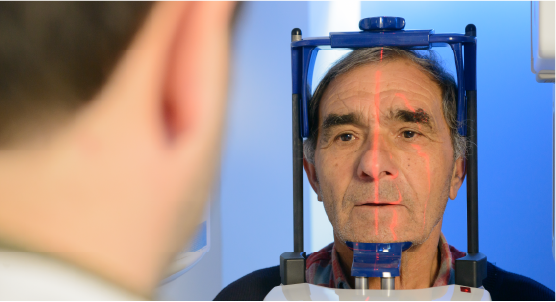
3D CBCT planning at our Porto clinic: the foundation of safe implant treatment.
Smoker vs Non-Smoker: The Comparison Table
Smoking and Dental Implants: The Key Numbers at a Glance
Here is the summary our surgeons use in consultation to explain the difference between smokers and non-smokers in plain figures.
| Factor | Non-smoker | Smoker |
|---|---|---|
| Implant failure risk | Baseline reference | Roughly 2 to 2.5 times higher |
| Osseointegration quality | Normal bone healing | Slower, reduced blood supply |
| Marginal bone loss | Minimal with good hygiene | Higher on average over time |
| Peri-implantitis risk | Lower | Significantly higher |
| Healing time after surgery | Standard | Often longer |
| Recommended waiting time after placement | Standard protocol | Extended, with close monitoring |
| Smoking cessation before surgery | Not required | Strongly recommended (2–4 weeks minimum) |
Sources: published systematic reviews referenced above; internal data of the Clínica Dentária Santa Catarina, Porto.
Can Smokers Get Dental Implants? When We Say Yes
After reading the failure data, the logical question is: should smokers simply avoid dental implants? Our answer is more nuanced. In many cases, a smoker is still an excellent candidate for implants — provided the treatment is planned and executed correctly.
Assessing the individual risk
Every smoker is different. A light smoker of a few cigarettes a day who quits two weeks before surgery does not face the same risk as a heavy smoker of two packs a day who continues throughout treatment. The number of cigarettes, the duration of the habit, the quality of the bone and the patient’s willingness to follow instructions all influence the outcome.
During the first consultation at our clinic, we assess these factors carefully. We look at a 3D scan, evaluate the bone, discuss your smoking habits openly and set realistic expectations. If we believe the risk is too high, we will tell you honestly — and we will suggest the best path forward, even if it means postponing the surgery. This transparency is the foundation of how we manage smoking and dental implants.
How long should you quit smoking before dental implants?
The ideal window is generally considered to be two to four weeks before surgery and several weeks after, because this covers the most vulnerable phase of osseointegration. Even a short period of smoking cessation measurably improves blood flow and healing. We discuss smoking cessation with every smoker before treatment, and we support those who decide to quit, because the evidence shows that the sooner you stop, the better your implant’s long-term prognosis.
If you are not able or willing to stop, we still do not turn you away automatically. Instead, we adapt the protocol, extend the healing phases and reinforce follow-up. Our goal is to give every patient the best possible chance of success within the realistic constraints of their habits.
How Our Porto Clinic Manages Risk for Smokers
Managing smoking and dental implants is a team effort. Our approach combines careful planning, adapted surgery and disciplined follow-up. Here is exactly what we do at the Clínica Dentária Santa Catarina.
Pre-operative assessment and planning
Before any implant is placed, every smoker benefits from a complete clinical examination and a cone-beam 3D scan. This gives us precise information about bone volume, bone quality and the position of nerves and sinuses. For patients with reduced bone, we plan grafting procedures early. Planning in advance reduces surprises during surgery and improves the odds of osseointegration, which is especially valuable when smoking and dental implants are involved.
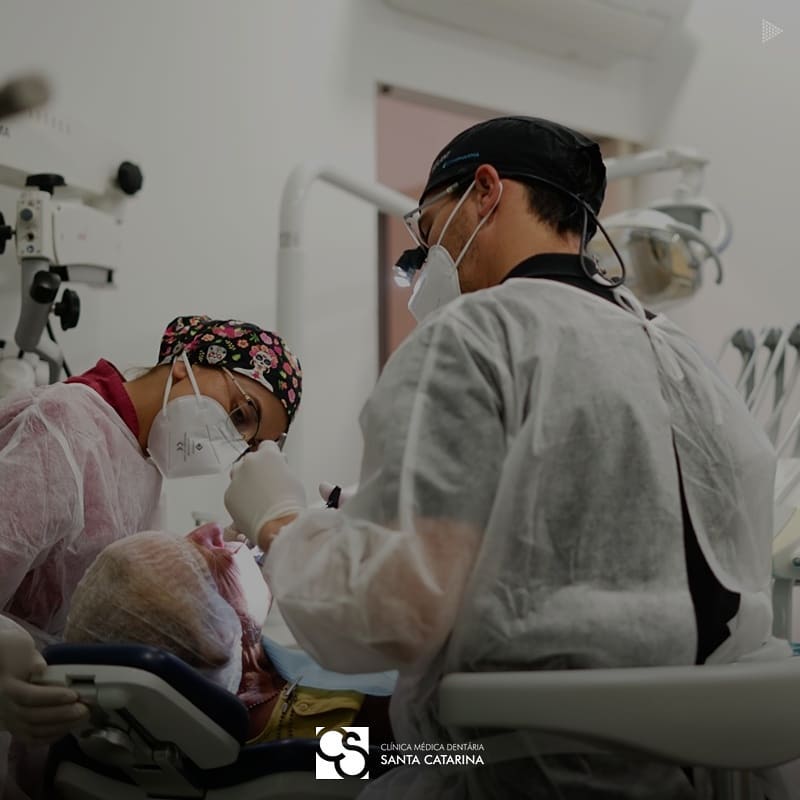
Our implantology team in Porto: experience that protects the outcome for smokers.
An adapted surgical protocol
Our surgical team applies a strict aseptic protocol, uses premium Straumann implants with proven surfaces, and adapts the approach to the smoker’s needs. In some cases, we extend the healing period before loading the implant, giving the bone more time to integrate. In other cases, we prefer a two-stage protocol where the implant is left completely buried under the gum during healing. These choices are made case by case, and they are one of the main reasons our smokers achieve results they can rely on.
Structured post-operative follow-up
After surgery, the work continues. Smokers receive clear instructions on hygiene, diet and wound care, and we schedule regular check-ups to monitor bone levels and the health of the gum around the implant. Because peri-implantitis is more common in smokers, early detection is everything. Our follow-up extends beyond the trip — international patients stay in contact with us through WhatsApp, and we guide them through the entire healing process once they are back home. This is the kind of care that separates a clinic that simply places implants from a clinic that actually manages smoking and dental implants over the long term. Our complete 12-month aftercare timeline explains what patients should expect during the first year of recovery.
Realistic expectations on longevity
We never promise a smoker that their implant will last a lifetime, because no honest clinician can guarantee that. What we do promise is that we will give you the best protocol, the best materials and the most attentive follow-up available. To understand what drives long-term survival, you can read our article on how long dental implants really last and how we protect that longevity in Porto.
FAQ: Smoking and Dental Implants
Is smoking an absolute contraindication for dental implants?
No. Smoking is a significant risk factor, but it is not an absolute contraindication. Most implants placed in smokers do succeed. The risk is roughly doubled compared with non-smokers, and it increases with the number of cigarettes smoked per day. With proper planning, adapted protocols and disciplined follow-up, smokers can achieve long-lasting results.
How much do cigarettes increase implant failure risk?
Systematic reviews report that smokers have approximately a 2 to 2.5 times higher risk of implant failure than non-smokers, plus higher marginal bone loss and a greater incidence of peri-implantitis. Heavy smokers, especially those smoking more than 20 cigarettes a day, face an even greater risk.
Should I stop smoking before getting dental implants?
Yes, if you can. The recommended window is at least two to four weeks before surgery and ideally for several weeks after. Even a short cessation period improves blood flow and healing. If you cannot stop completely, reducing your consumption and quitting around the surgery still improves your chances.
Can I smoke after getting a dental implant?
It is strongly discouraged, especially during the first weeks of healing. Smoking during osseointegration reduces blood supply to the healing bone and increases the risk of early failure. In the long term, continued smoking raises the risk of peri-implantitis and late bone loss, so we recommend avoiding cigarettes or reducing them significantly.
Are dental implants worth it if I smoke?
For most smokers, yes — provided the treatment is planned and monitored by an experienced team. Implants can restore chewing function, protect the remaining bone and dramatically improve quality of life. The decision depends on your individual risk profile, which is exactly what our team evaluates during the first consultation in Porto.
Conclusion: Smoking and Dental Implants, Managed Responsibly
Smoking and Dental Implants: Our Final Clinical Advice
Smoking and dental implants is a genuine clinical challenge, but it is not an impossible one. The data is clear: smokers face a higher risk of failure, more bone loss and a greater chance of peri-implantitis. What the data also shows is that this risk can be managed with honest assessment, adapted protocols, premium materials and serious follow-up — the exact approach we apply every day at the Clínica Dentária Santa Catarina in Porto.
Whether you are a light smoker ready to reduce your habit or a heavy smoker who wants an honest opinion, you deserve a clear answer based on your own situation, not on a statistic. A clinical examination and a 3D scan reveal the bone quality and healing conditions that truly determine your prognosis. That is what a free consultation at our clinic provides — a straight answer on smoking and dental implants, with prices you can trust and a plan adapted to you.
Get your free implant quote within 24 hours. Send us your dental X-ray or panoramic scan via WhatsApp and receive a written, itemised treatment plan. Compare our transparent pricing with your local options — many of our patients save up to 70% compared with France, the UK or Canada, while receiving premium Straumann implants with a lifetime warranty. For a clear view of your budget, you can also consult our guide to dental implant costs in Portugal. Your new smile starts with one honest conversation.